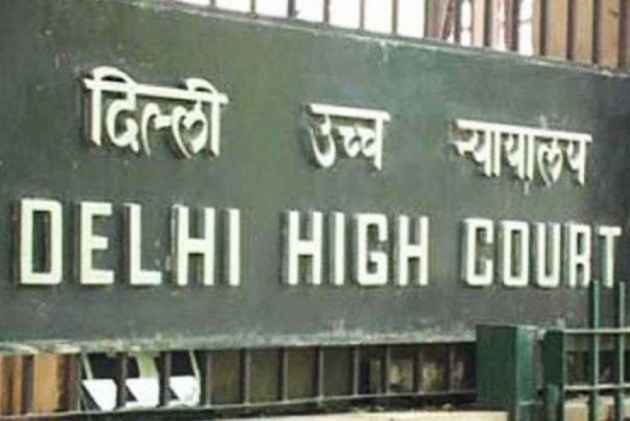
The Delhi High Court on Tuesday strongly criticized the Delhi government and the Delhi Police for failing to ensure adequate security for judicial officers in the capital in Judicial Service Association of Delhi v. Government of NCT of Delhi and Ors. The Court was hearing a petition filed by the Judicial Service Association of Delhi seeking personal security officers (PSOs) and proper security arrangements for judges at their residences.
Justice Manoj Jain expressed sharp disapproval of the authorities’ response, describing it as “insensitive” and highlighting what he termed as “apathy” toward the concerns of judicial officers. He remarked that if court staff can be provided, there should be no obstacle in assigning PSOs, especially in a city like Delhi where crime rates are high. Questioning the government’s reasoning, he criticized the suggestion that extending such protection might require similar measures for bureaucrats, stating that such an approach compromises judicial independence.
Referring to the minutes of a meeting held on April 13 between officials of the Delhi government, the Ministry of Home Affairs, and the Delhi Police, the Court voiced further concern. Justice Jain questioned whether authorities were waiting for judicial officers to face threats or assaults before acting, emphasizing the need to create a secure environment where judges can move freely without fear.
Senior Advocate Kirti Uppal, appearing for the Judicial Service Association, informed the Court that several states, including Maharashtra, Andhra Pradesh, and Gujarat, already provide security to judicial officers. He pointed out that many judges in Delhi travel without protection and have faced incidents such as stalking, verbal abuse, and threats.
During the hearing, Standing Counsel Sanjay Lao, representing the Delhi government and Delhi Police, submitted that the Home Ministry had sought details regarding judicial officers’ residences. However, the Court remained unconvinced. Justice Jain questioned whether providing security in the face of a threat was being treated as a discretionary or charitable act, rejecting the argument that financial burden could justify inaction. He underscored that the demand for round-the-clock PSOs was legitimate given the risks involved.
The Court also noted procedural lapses, observing that the Principal Secretary of the Department of Law, Justice and Legislative Affairs was not invited to the April 13 meeting. Finding the approach inadequate, the bench refused to accept the meeting minutes on record.
Directing corrective action, the Court ordered authorities to convene a fresh meeting within seven days and present concrete, well-considered proposals. It stressed that limiting security only to judges handling criminal cases would not be acceptable and called for a more comprehensive solution.
The matter is scheduled for further hearing on May 12.